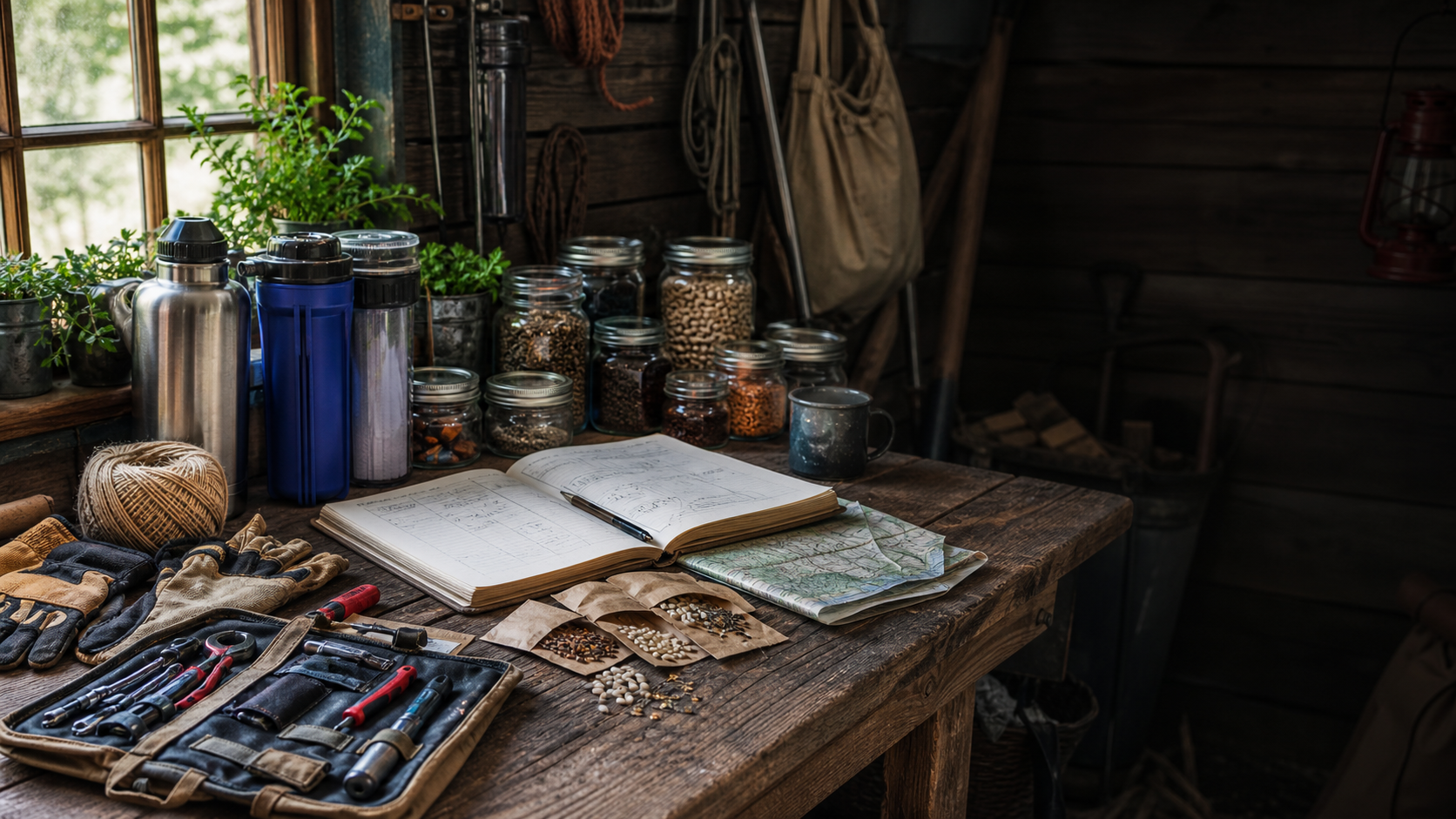
Homestead workbench with planning notebook, pantry jars, water filter, gloves, maps, and hand tools.

Homestead systems, survival basics, useful DIY

Build a steadier home before you need one.

WildCraft Works curates practical gear, field notes, and weekend projects for people who want water, food, repair, and readiness systems that make everyday life more capable.

Water Storage, filtration, rotation, backup habits.
Food Pantry depth, simple preservation, shelf planning.
Repair Tools, shelter upkeep, fixes that earn their space.

Practical systems

Start with the parts of resilience you can actually maintain.

Preparedness works best when it becomes ordinary: clean water you rotate, tools you know how to use, pantry food you already cook, and small repairs handled before they become expensive.

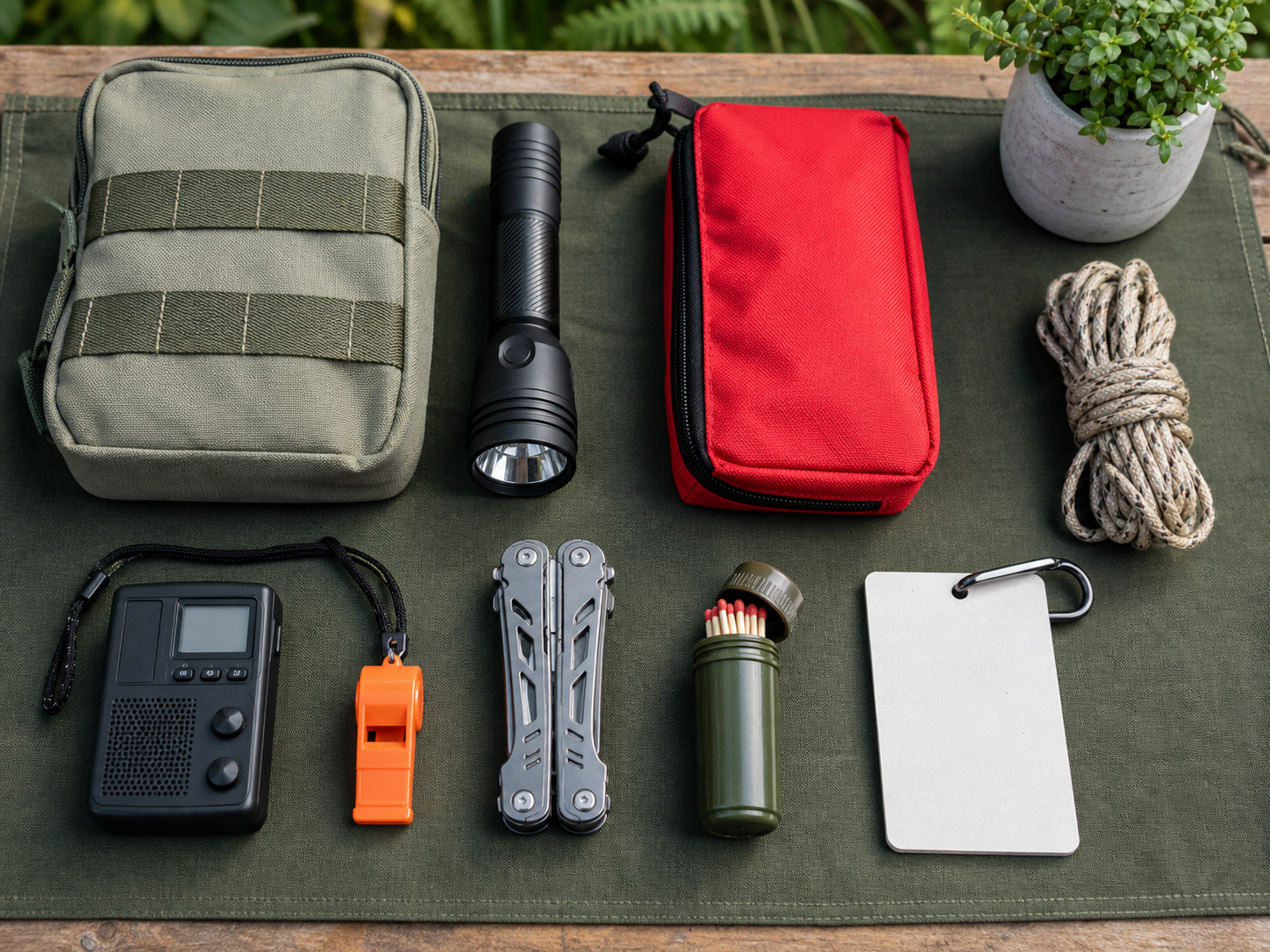
Compact readiness kit with flashlight, radio, first aid pouch, cordage, whistle, and blank checklist card.
Readiness kits

Build the kit you will remember to check.

Calm, household-friendly kit ideas for lights, communication, first aid, cordage, and small tools that make sense in a closet, truck, shed, or weekend pack.

View kit picks
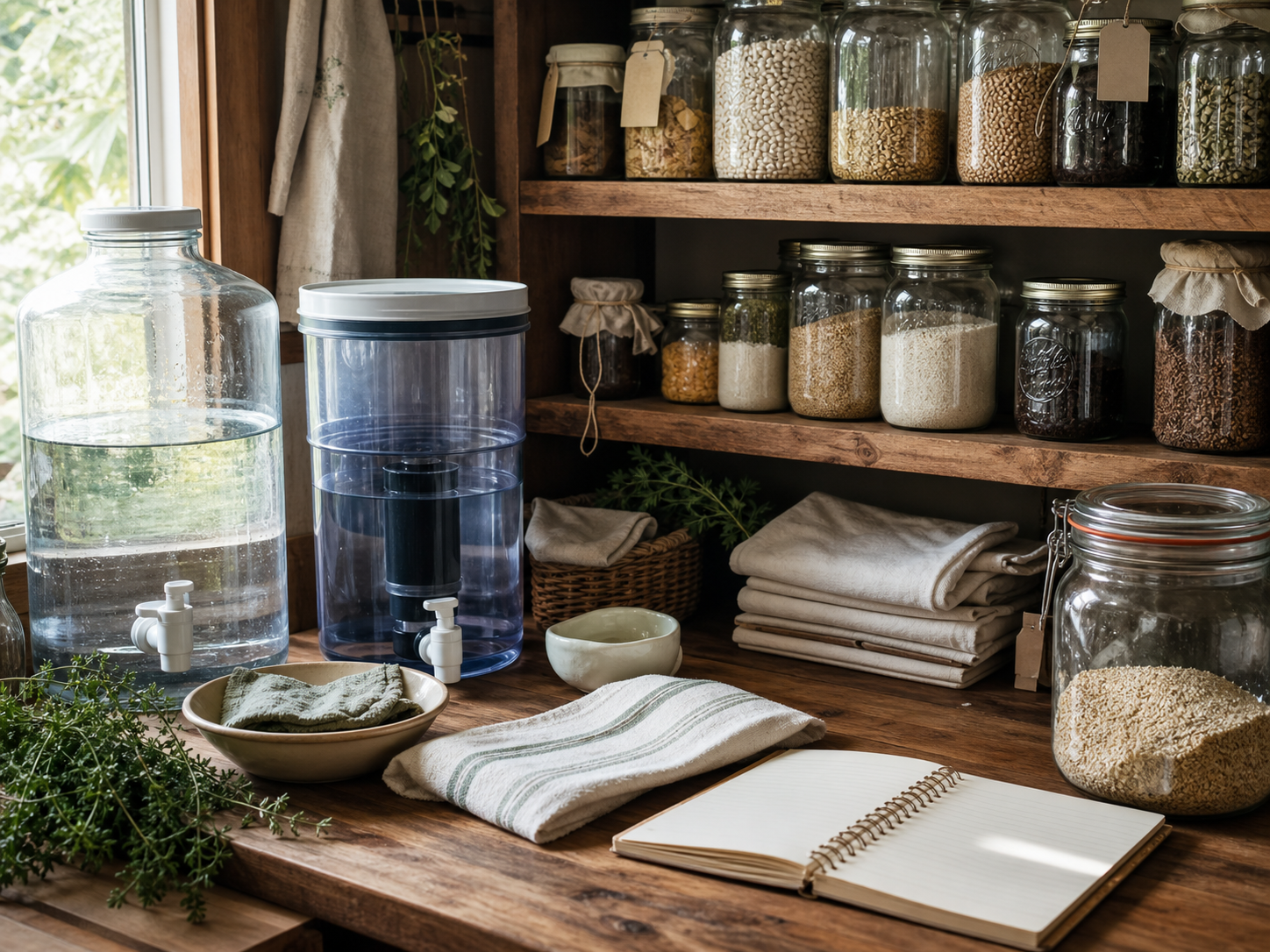
Pantry shelf with water storage, dry goods in jars, towels, herbs, and a blank notebook.
Water and food

Make storage boring in the best way.

Rotation calendars, pantry staples, backup cooking, and water systems built around normal meals instead of dusty boxes nobody wants to open.

Explore pantry systems
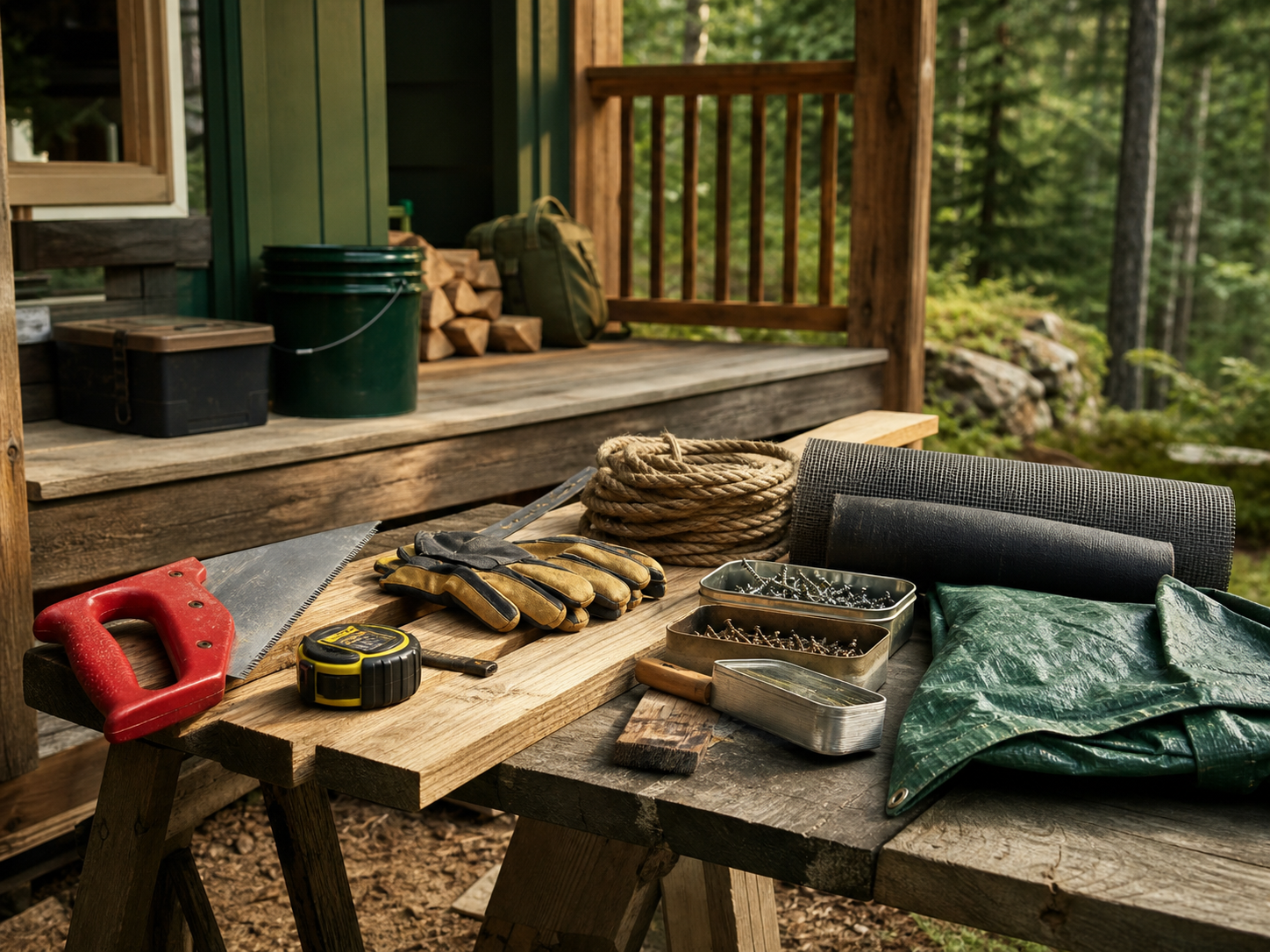
Porch repair workbench with saw, measuring tape, gloves, rope, fasteners, boards, and weatherproofing materials.
Shelter upkeep

Repair the weak spots before bad weather finds them.

Simple inspections, tarps, fasteners, sealants, wood repair, and weatherproofing supplies for homes, cabins, sheds, and outbuildings.

See home resilience ideas
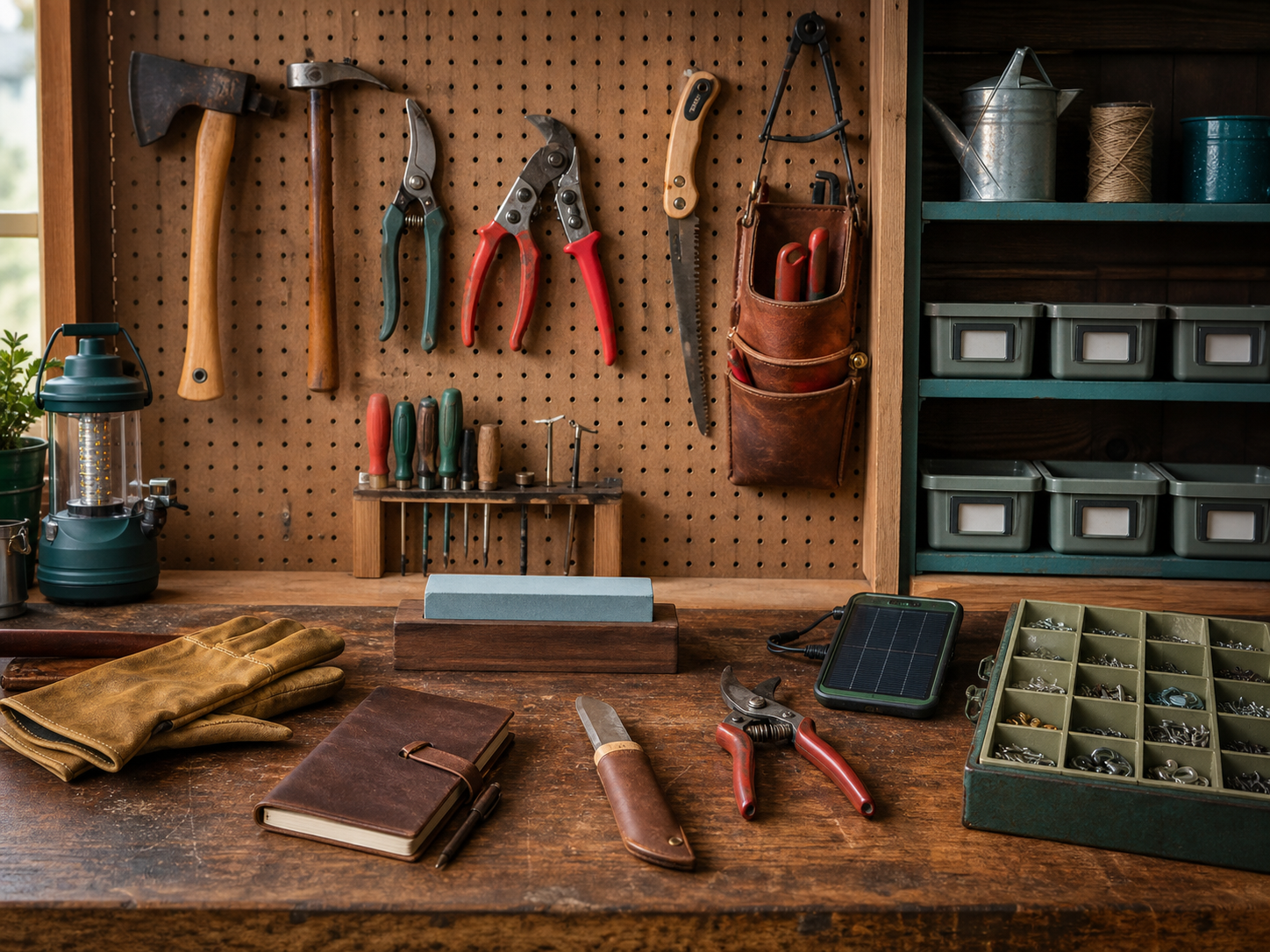
Organized homestead workshop with hand tools, gloves, sharpening stone, solar charger, and hardware bins.
Tools and skills

Choose tools that teach you how your place works.

Useful hand tools, sharpening, repair notebooks, off-grid charging, and small workshop systems for people who want fewer mystery problems around the house.

Browse tool notes
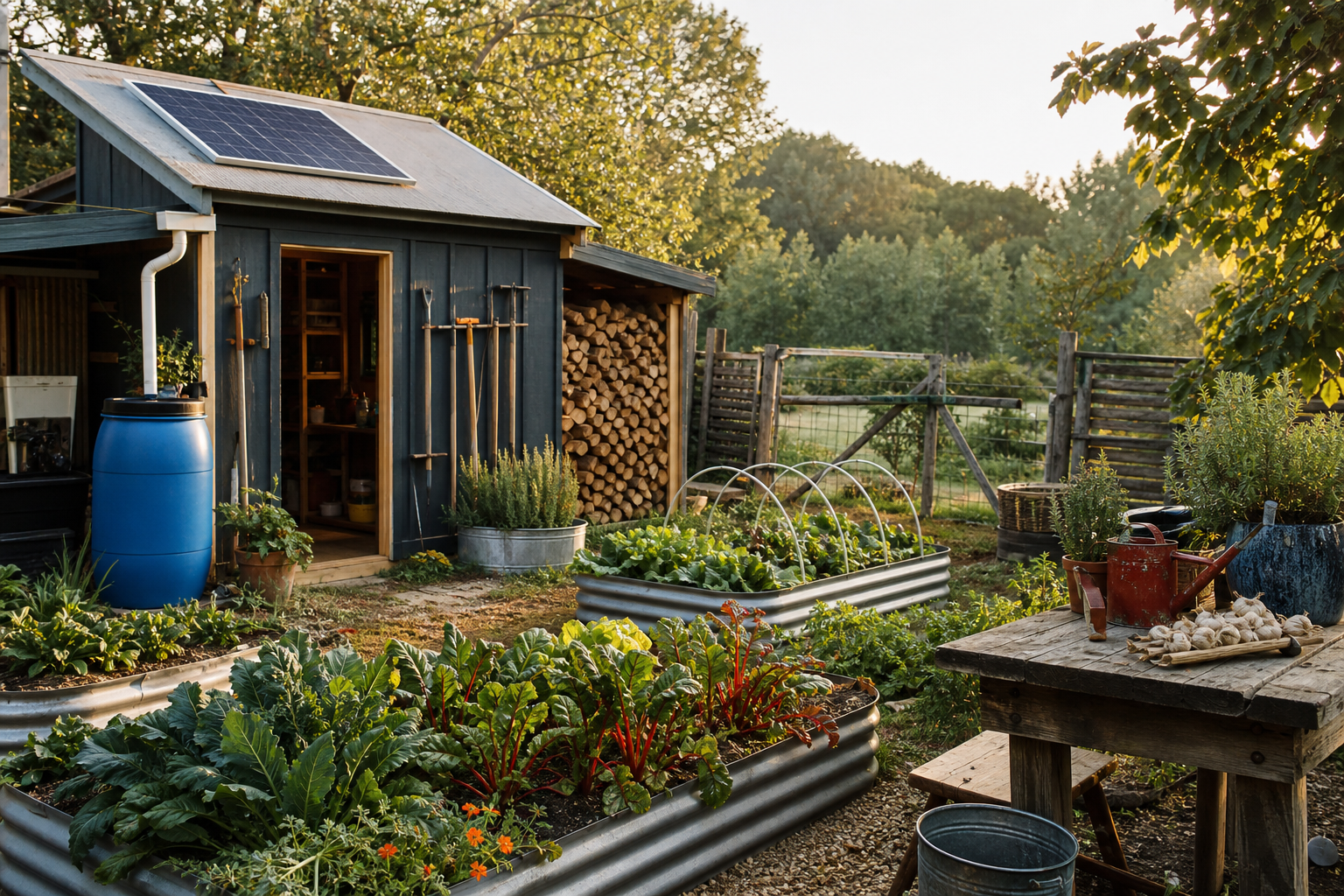
Small homestead garden with raised beds, rain barrel, tool shed, stacked firewood, and solar panel.

Field Notes

A good system is the one you inspect without making a ceremony out of it.

The best preparedness habit is not buying everything at once. It is walking through your home with a pencil, finding the first fragile link, and making that one thing easier to manage next month.

Put dates on consumables.

Water, batteries, filters, first aid items, fuels, and pantry staples should have a visible rotation note so they become part of normal household rhythm.

Favor boring compatibility.

Gear that uses common parts, common batteries, common fittings, and common fasteners is easier to maintain when a small fix matters.

Practice the quiet skills.

Sharpening, knot tying, patching, basic cooking, water handling, and simple repair work are not flashy, but they multiply the value of every tool you keep.

Spring

  • Flush and clean water containers before warm weather.
  • Check gutters, drainage, tarps, and shed roof edges.
  • Inventory seeds, soil amendments, gloves, and hand tools.

Summer

  • Test backup lighting and battery charging routines.
  • Rotate pantry staples into regular meals.
  • Practice outdoor cooking before weather forces the lesson.

Fall

  • Inspect seals, drafts, fasteners, and exposed wood.
  • Set aside repair supplies for fences, doors, and sheds.
  • Restock first aid basics and cold-weather kit items.

Winter

  • Keep a small indoor light, heat, and communication plan.
  • Review water access if pipes, pumps, or power are interrupted.
  • Note what felt inconvenient, then fix the system in spring.

Questions

Straight answers before you click through.

WildCraft Works is built as an editorial frontpage and offer hub. Product pages and partner destinations should be reviewed carefully before buying anything.

Is WildCraft Works a store?

WildCraft Works is a curated frontpage for practical survival, DIY, and homestead-resilience topics. Some links may point to guides, product roundups, partner pages, or affiliate offers.

What makes a product worth featuring here?

The page is organized around usefulness: common parts, easy maintenance, household fit, clear purpose, and whether the item supports water, food, repair, shelter, communication, or everyday readiness.

Should I buy every item in a category?

No. Start with your household's real gaps. A small, maintained system is usually better than a large collection of items nobody checks, rotates, or practices with.

Are the links final?

The current HTML uses placeholder category anchors so you can replace each destination in Convertri with your chosen offer, tracking URL, or internal page.